Heart Attack Symptoms in Women and Men: What to Watch For
Chest discomfort is common in both; other warning signs can be easy to miss. Know when to call 911.
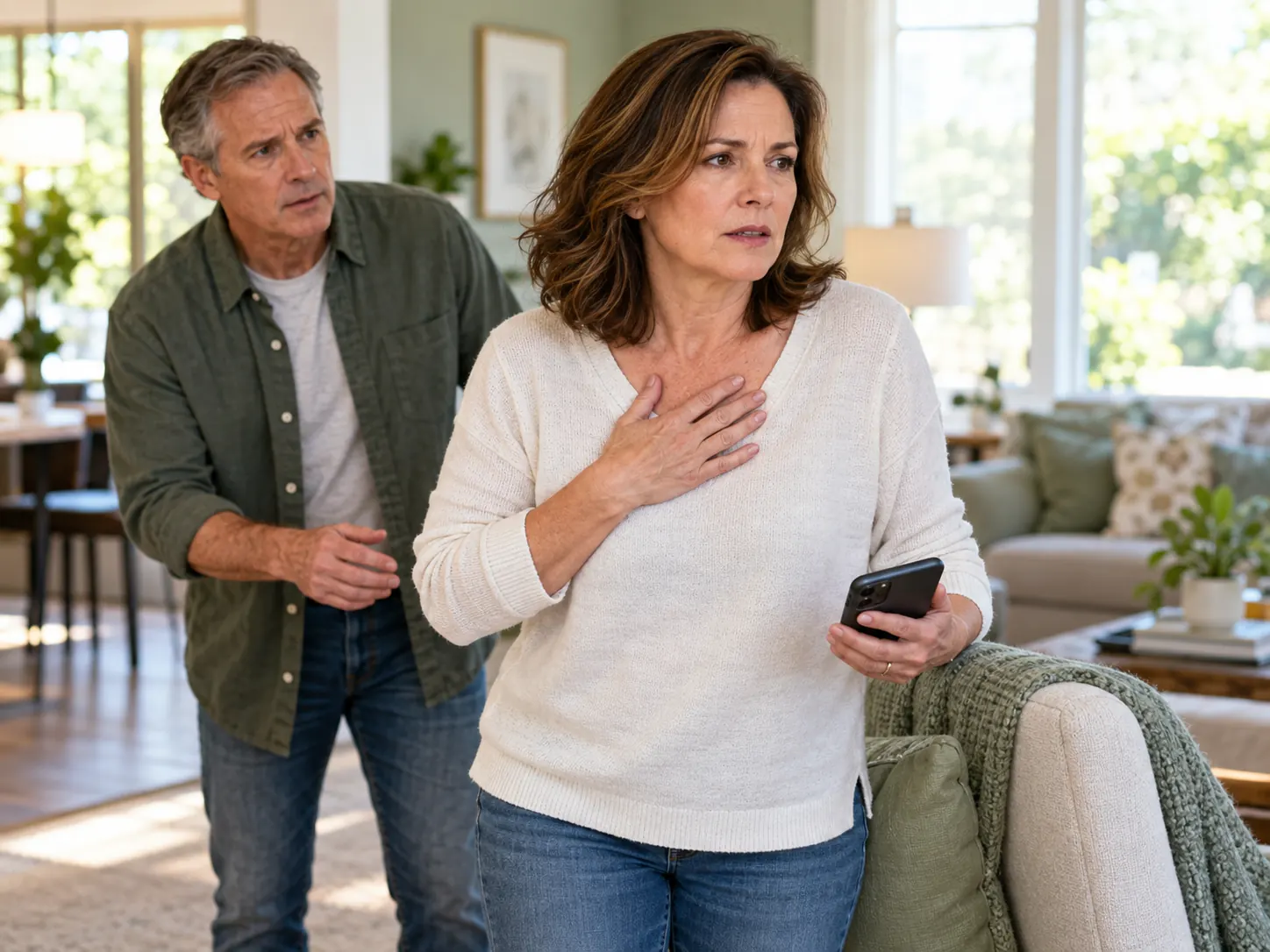
If you or someone near you may be having a heart attack, call 911 in the United States now. Do not wait for a perfect match to an online symptom list or drive yourself to the hospital. Fast assessment matters.
Is chest pain only a men's symptom?
No. Chest pain or discomfort is the most common heart attack symptom in both women and men. It may feel like pressure, squeezing, fullness, or pain in the center of the chest that lasts more than a few minutes or comes and goes. Some people have little or no chest discomfort, so its absence does not rule out an emergency.
Which other signs matter?
Pain or discomfort may spread to one or both arms, the back, neck, jaw, or stomach. Shortness of breath, a cold sweat, nausea, and lightheadedness can occur. Women may be more likely than men to notice some symptoms such as nausea, back or jaw discomfort, and unusual tiredness. These signs can also have other causes, but a new cluster of concerning symptoms deserves urgent evaluation.
What should a companion do?
Call emergency services, tell the dispatcher what is happening, and follow their instructions. Note when symptoms began. Stay with the person. Do not let uncertainty about whether the symptoms are “typical” delay the call. Emergency teams can assess and begin care on the way.
Why does the distinction matter?
The myth that women do not have chest pain can be as misleading as the myth that every heart attack looks like dramatic chest pain. Learn the full set of warnings for everyone, and treat suspicious symptoms as urgent. For everyday prevention, discuss personal risks and routine care with your clinician; our life expectancy explainer puts population averages in context.
VitalGlow Hub provides general health and wellness information for educational purposes only. The information on this website is not intended to diagnose, treat, cure, or prevent any disease and is not medical advice. Consult a qualified healthcare professional before starting a supplement or making significant changes to your diet or lifestyle.